
Trampolines bring a lot of fun to backyards, but windy weather can turn that fun into a headache if you aren’t prepared. A trampoline anchor kit is one handy accessory that can save your trampoline from tipping, flying, or even causing damage during storms. If you live in a place where wind is a popular part of your weekly forecast, it’s worth looking at the real-world upsides and downsides of using trampoline anchor kits in those conditions. Here, I’m sharing my honest thoughts on how these kits perform, what to expect, and a few practical pointers if you’re thinking about using one.
What Are Trampoline Anchor Kits and Why Are They Used?
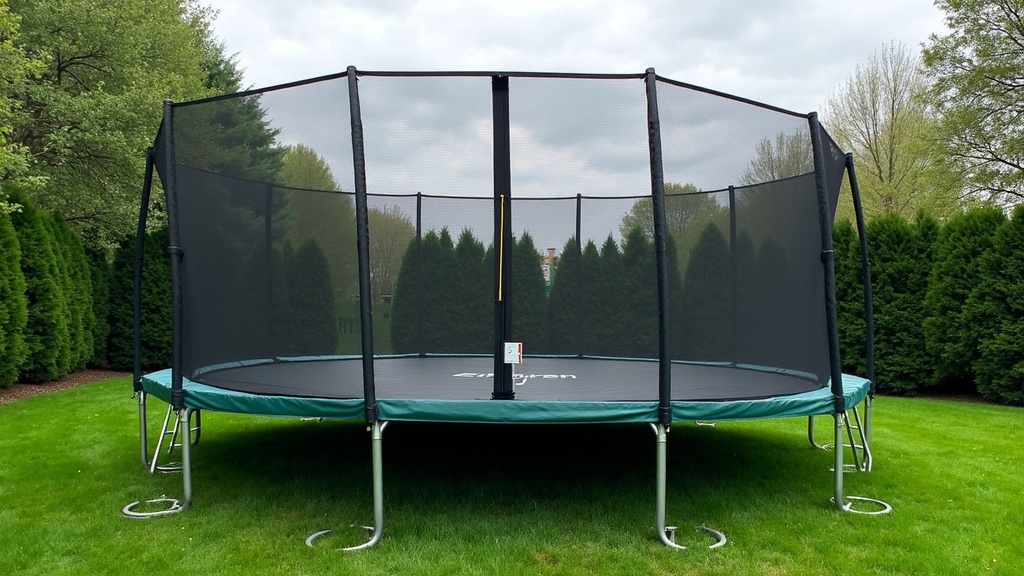
A trampoline anchor kit is pretty much what it sounds like: a set of anchors and straps (or cables) designed to hold a trampoline firmly in place. Most kits have spiral ground stakes or augers you twist deep into the soil and heavyduty straps to connect the trampoline frame to those anchors. They help prevent trampolines from tipping over or getting tossed around by gusty winds, which is actually a lot more common than you might think.
Trampolines act like big sails when strong wind hits, making them one of the first things you’ll see blowing across a yard after a storm. If you’ve ever had to chase a trampoline down the street, you know the value of extra security. In windy areas, anchor kits can mean the difference between peace of mind and the hassle (and expense) of rescuing your trampoline from a neighbor’s driveway.
The Advantages of Using Anchor Kits in Windy Areas
Anchor kits come with quite a few benefits when you’re dealing with unpredictable weather. Here are the top advantages I’ve noticed when it comes to keeping trampolines safe in windy places:
- Protection From Wind: This is the big one. The main reason to use an anchor kit is to reduce the risk of your trampoline flipping, moving, or blowing away when those heavy gusts hit.
- Prevents Property Damage: If a trampoline gets airborne, it’s just as likely to cause damage to your home, car, or a neighbor’s property as it is to itself. Anchoring helps keep both the trampoline and everything around it safe.
- Peace of Mind: Once the kit’s in place, there’s a lot less worry every time the wind picks up. That’s a pretty nice feeling if you’re in an area where storms come up fast.
- Budget Friendly Solution: Most anchor kits cost far less than replacing or repairing a damaged trampoline or paying for someone’s broken fence.
- Easy to Install and Remove: Nearly all kits can be set up with basic hand tools, and if you need to move or store the trampoline, undoing the anchors is usually pretty straightforward.
Every windy day doesn’t have to spell trouble for your backyard setup. I’ve seen many friends save hundreds of dollars by investing in a solid anchor kit, especially if they live anywhere near open fields or in neighborhoods that get hit by frequent storms. On top of that, having a reliable anchor can make your insurance claims simpler if something goes wrong, since you can show you took proper precautions.
Another advantage is that a good anchor kit can give older trampolines a much-needed boost in stability. Sometimes as trampolines age, the frames wobble more, but anchors can help keep them steady during play and in blustery weather. If your area gets surprise gusts during seasons that aren’t usually stormy, you’ll be glad you took the extra step to secure your trampoline from the start.
Some Drawbacks to Consider
While trampoline anchor kits are super useful, they do come with a few downsides to watch for. Here are some of the real-world hiccups you might run into:
- Not Foolproof in Severe Storms: In extreme weather (think tornado or hurricane force winds), even the best anchor kits might not keep a trampoline grounded. They’re a great help most of the time but don’t guarantee total safety when conditions get really wild.
- Ground Type Matters: Anchor kits need solid, packed earth to work properly. If your yard has really rocky, loose, or sandy soil, the stakes might pull out more easily. Some folks have to try different anchor styles or add concrete footings.
- Periodic Maintenance Needed: Straps and stakes can wear out over time, or loosen up with weather changes. It’s smart to check the anchors every so often, especially after a storm, to make sure nothing’s working loose or corroding.
- Not All Kits Fit Every Trampoline: Some anchor kits may not be the best match for every frame style or size. You’ll want to double check compatibility before you buy, especially if your trampoline is a unique shape or extra large.
- Potential Tripping Hazard: Exposed straps, anchors, or cables in the grass can become minor trip hazards, especially if you have younger kids or pets running around.
For most folks, these drawbacks are pretty manageable, but I wouldn’t say trampoline anchor kits are a oneanddone solution for every single yard or weather scenario. Adding brightly colored flags or small markers to the anchor spots can make them easier to see if tripping is a concern. And, remember, maintenance is key—checking the stakes after heavy rains is a smart habit for any trampoline owner.
Set Up Tips: Getting the Most Out of Your Anchor Kit
Setting up your trampoline anchor kit the right way really makes a difference in how well it holds up. Here are a few things I always suggest when helping friends install theirs:
- Read the instructions from the manufacturer; different kits might need slightly different techniques for best results.
- Choose a spot with solid, compact soil and avoid areas with a lot of sand or rocks if you can. The deeper the anchor, the better it holds.
- Test the tension on straps or cables before calling it done. They should be snug but not so tight that they strain the frame.
- Check everything at least every season or after heavy winds. Tighten, clean, or replace worn parts as needed.
- For extra security, consider using more anchors than the minimum recommended if your area is especially windy.
Following these steps gives your anchor kit the best possible shot at keeping things safe. It’s also a good idea to keep some spare straps or bolts on hand—weather can wear down even the toughest materials, and being able to swap parts quickly gets your trampoline ready for the next round of play or storms. Don’t be afraid to ask neighbors for tips if they’ve handled similar weather; local experience can be a game changer.
Factors That Can Affect Anchor Kit Performance
A few other things can make a big difference in how well a trampoline anchor kit works. It helps to keep these in mind if you’re shopping around or troubleshooting wind issues.
- Trampoline Size and Weight: Bigger and lighter trampolines are more likely to catch air, so they need stronger anchoring (and sometimes more anchors) than smaller, heavier models.
- Frequency and Strength of Wind: If you’re living in a climate where strong winds happen a lot, you might want to step up to a heavyduty kit or even double down on the anchors.
- Anchor Design: Spiral, augerstyle anchors are usually preferred in most types of soil, but different materials and lengths work best depending on what’s under your trampoline.
- Orientation and Location: The exact placement of your trampoline on your property can make a difference. If it’s shielded by a fence or shed, you might get away with fewer anchors. Out in the open, go bigger and deeper with your anchoring for extra peace of mind. Sometimes adding a weatherproof cover over the mat can cut down on wind getting underneath, but be sure it’s tight enough not to become a sail itself!
When in doubt, reaching out to your trampoline’s manufacturer or a local hardware expert can help you match the right kit to both your yard and your trampoline model. Many manufacturers also have online chat lines for quick advice, and some communities even host safety workshops to demonstrate how to set up these kits successfully.
Practical Advice: Keeping Your Trampoline Safe in Windy Weather
A few extra steps (aside from using an anchor kit) can keep things safer on blustery days. Here’s what I’ve learned over time:
- Before any big storm, check both the anchor kit and the trampoline’s frame connections for any loose pieces.
- Remove safety enclosures or nets if winds over 40 mph are expected. These act like sails and increase the risk of lift off, even with good anchors.
- Put away the trampoline entirely during the worst seasons or storms if you can. Taking it apart might take an hour, but it can save you from repair bills later.
- Keep the yard around the trampoline clear; anything that blows into the frame can knock it loose or damage anchor straps.
- If you notice excessive rust on the frame or anchors, swap those parts out as soon as possible. Dry, lubricate, and store anchors indoors during offseason months to get more years out of your gear. Never forget to let everyone in your house know about any new anchor points—it keeps everyone safer, especially if you mow near the trampoline.
Adding just a few of these habits to your routine makes the anchor kit work even better, especially when the weather serves up surprises.
Frequently Asked Questions About Anchor Kits in Windy Areas
Do anchor kits work for all trampolines?
Most anchor kits are designed for round backyard trampolines with basic frames, but not every kit fits every size or style out there. Always check for compatibility before buying. If you own an oval or rectangular trampoline, you might need a kit with longer straps or extra anchors to get things secure.
Are anchor kits a permanent solution?
No anchor kit is totally permanent if your area gets truly severe weather, but they work well for most day-to-day wind events. Regular checks and maintenance keep things secure. If you ever move your trampoline to a new spot or switch to a new model, doublecheck that your anchors still fit properly and the soil is good for holding stakes.
How many anchors should I use?
Manufacturers usually recommend four anchors (one for each leg), but doubling up can be helpful in really windy spots. For larger trampolines, or if your yard is very exposed, using six or even eight anchors can make a noticeable difference in stability.
Finding the Right Balance for Trampoline Safety
A trampoline anchor kit is a practical, budget friendly way to add a solid layer of security in windy areas, but it’s not a magic fix for every weather challenge. Pairing a good anchor kit with smart setup, occasional maintenance, and storm prep goes a long way to keeping the fun going (and the trampoline grounded) no matter what the forecast throws at you. The bottom line: a little planning and a good anchor kit set the stage for safer, hasslefree trampoline fun, even when the wind kicks up.