
Trampolines bring a whole new level of excitement to any backyard, but making sure they’re safe for everyone— especially beginners— is essential. Trampoline safety pads might seem like an afterthought at first, but they play a huge role in preventing injuries and providing peace of mind. This beginner’s guide will walk you through what trampoline safety pads do, how to choose the right one, how to set them up, and what to check before you start bouncing.
What Are Trampoline Safety Pads and Why Use Them?
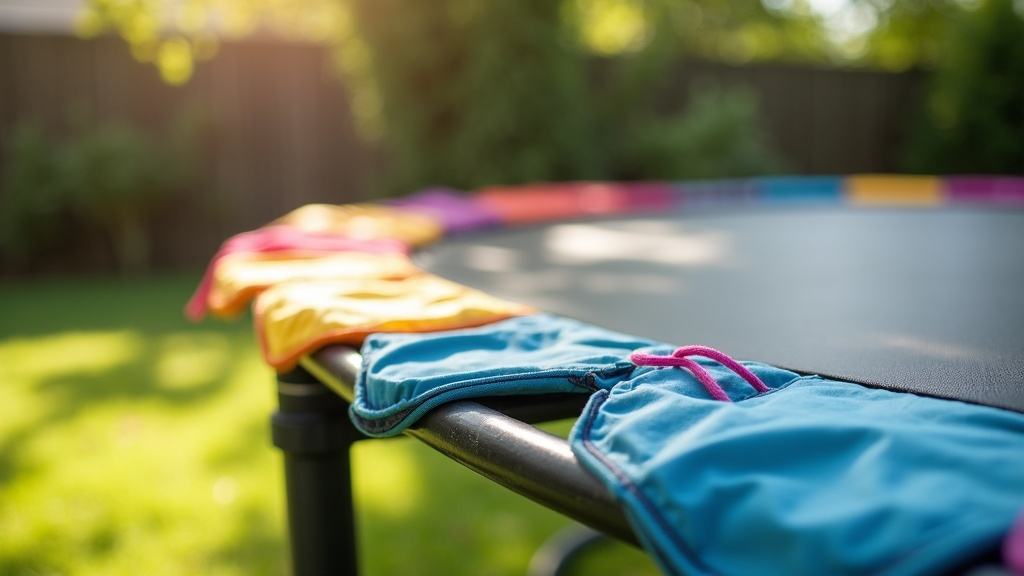
Trampoline safety pads— sometimes called spring pads— are thick, padded covers that fit around the edge of the trampoline. Their job is to cover the springs, the frame, and any hard or metal parts that could cause injury. If you’ve ever caught your foot in trampoline springs, you’ll know how much safer things feel with the right pad in place.
The main purpose of safety pads is to lower the risk of bumps, bruises, or serious injuries if you happen to land near the edge. They also help protect the trampoline’s hardware from rust and sun damage, keeping your trampoline looking good and working properly for longer. Since trampoline injuries often happen when someone lands on an exposed spring or frame, a good pad transforms your trampoline from something risky into a safer place for fun and exercise— especially helpful for kids and beginners learning how to jump with control.
Key Features to Look For in Trampoline Safety Pads
Not every safety pad is made the same. Finding one that fits your trampoline and actually protects jumpers takes a little digging. Here are the main things to check out when picking a pad:
- Pad Thickness: Thicker pads cushion better. Most solid options start at ¾ inch thick over the springs, but extra thick ones offer even more padding.
- Pad Width: The pad needs to be wide enough to cover both the springs and frame fully. Standard widths are around 10 to 14 inches— measure your springs to be sure everything is covered.
- Material Quality: Safety pads get a lot of sun and rain. UV-resistant PVC or strong vinyl offer long-lasting protection. Some even come with waterproof coatings, which really help if your trampoline stays outside all year round.
- Attachment Style: Pads shouldn’t budge, even when the kids are going wild or a gust of wind hits. Look for elastic bands, sturdy ties, or Velcro straps that can hold tight around the frame.
- Fit: Pads come in all shapes and sizes for round, rectangle, square, and oval trampolines. Always double-check your trampoline’s diameter and number of springs to make sure you get the right fit.
Setting Up Trampoline Safety Pads
Putting on a trampoline safety pad doesn’t have to be complicated— but setting it up right makes it last longer and does a better job protecting everyone. Here’s a simple way to set it up:
- Line up the pad around the edge of the trampoline, making sure it covers all the springs and overlaps the frame all the way around.
- Fasten the provided ties, straps, or elastic loops underneath the jumping surface. Take your time— every attachment point should be secure so pads don’t slide around or leave unsafe gaps.
- Give the pad a quick pull to check that it’s attached all the way around. Once you’re done, there shouldn’t be any metal or spring showing at the edges.
If you spot tears or missing straps, patch them up or swap out the pad before anyone jumps. Regular checks keep safety gear doing its job.
Maintenance and Longevity Tips
High-quality safety pads still need a little care to stay in good shape. Here are some ways to make sure your pads last:
- Check for Damage Often: Every few weeks, look for rips, cracks, or stretched-out straps— especially if your trampoline gets lots of action. Fix small issues early, so they don’t turn into big problems.
- Clean Off Debris: Leaves, dirt, and bird droppings break down the pad’s material over time. Hose it off now and then and wipe with mild soap every month or two.
- Stash Indoors in Bad Weather: Big winter storms or blazing sun can speed up fading or cracking. Take the pad inside during extreme weather to stretch out its life.
- Give It a Spin: Some areas might get more sun or foot traffic than others, so rotating it a little helps everything wear evenly.
Mark your calendar for a deeper inspection every spring and fall. Catching small issues early prevents surprise repairs just when you’re ready to jump in.
Common Beginner Mistakes and How to Avoid Them
Getting the right trampoline safety pad seems straightforward, but here are a few mistakes I’ve seen— and how to avoid them:
- Choosing the Wrong Size: Measure your trampoline frame and springs before ordering. Pads that don’t fully cover everything aren’t really keeping anyone safe.
- Skipping Attachment Checks: If you leave ties loose or use the wrong attachment method, pads might blow off or bunch up, leaving dangerous spots open. Double-check every tie at setup.
- Delaying Repairs: Small holes or tears quickly get worse and make pads much less effective. Temporary patches work in a pinch, but swap out damaged pads as soon as you can.
- Neglecting Cleaning: Moisture and dirt quietly make pads brittle over time. Wipe them down and dry them off to keep them stronger, longer.
Questions People Often Ask About Trampoline Safety Pads
First-time trampoline owners usually have plenty of questions. Here are some of the top ones, along with advice you can use:
Question: Do I need a safety pad if everyone’s careful?
Answer: Absolutely. Even with careful jumpers, accidents can happen in a heartbeat, especially with kids or beginners learning the ropes. Safety pads prevent painful injuries and are as important as a sturdy frame or strong net.
Question: Can any generic pad work for my trampoline?
Answer: Not in every case. Trampolines vary in size, shape, and spring length. Always size up your frame and springs— a pad that fits poorly leaves unsafe gaps or won’t stay fixed in place.
Question: How often should I swap out my pad?
Answer: Pads last anywhere from a year to several years, depending on materials, weather, and usage. Inspect yours every season. If it’s cracked, faded, or flattened, it’s time for a new one.
Question: Do bright-colored pads make trampolines safer?
Answer: Color isn’t directly tied to safety, but more eye-catching pads are easier for kids to see and avoid. Pick a color you like and focus on quality, thickness, and fit first.
Choosing the Right Safety Pad for Your Trampoline
The right pad is always the one that covers your trampoline tightly and stays put— even during wild play. Measure the trampoline, check that springs and frame are hidden, and opt for waterproof materials if yours lives outside year-round.
- Round Trampolines: Pick pads made for round styles, ensuring even coverage all around.
- Rectangular and Square Trampolines: Make sure to choose pads that wrap securely to each corner, so no sharp edges peek out.
- Mini/Kids Trampolines: Smaller trampolines might come with thin starter pads, but picking a thicker, more durable pad gives extra safety for beginner jumpers.
If you’re online shopping, check out reviews and look for pads offering multilayered foam, sturdy vinyl, and strong straps. Pads with longer warranties and weatherproof covers will last the longest.
Real-World Use: How Safety Pads Make a Difference
I’ve seen plenty of trampolines in backyards and parks and can quickly spot when one has a sturdy safety pad. For example, a neighbor of mine upgraded her kids’ trampoline with a thicker pad. Instantly, the kids gained confidence and there were fewer complaints about sore feet or knees. A pad that stays in place lets parents relax and lets kids try out new moves safely.
- Families: With young children or first-time jumpers, thick pads make playtime safer and help turn falls into minor mishaps, not major accidents.
- Outdoor Use: Weather-resistant features— like UV and waterproof materials— prevent damage and mean less frequent replacements.
- Fitness Fans: Adults bouncing for exercise get extra peace of mind from a thick pad, especially when doing moves near the edge.
Final Thoughts
Trampoline safety pads aren’t just an accessory— they’re a smart investment for beginners and seasoned jumpers. Whether you’re setting up a brand new trampoline or looking to give an old one a boost, the right pad makes things safer and more fun. So measure carefully, invest in a high-quality pad, keep it clean, and check it through the seasons. A little extra effort now leads to years of safe, happy bouncing.