Trampoline fun shouldn’t come with worry about damage from the sun, rain, or snow. If you’ve ever owned a trampoline, you know how quickly the pads covering the springs can fade, crack, or even rip apart. That’s where UV resistant trampoline spring covers step in. They’re built to handle all types of weather and keep your trampoline looking sharp and safe through every season. I’ll walk you through what makes these covers worth the investment, how they work, and what to consider when picking one for your backyard setup.
What Are UV Resistant Trampoline Spring Covers?
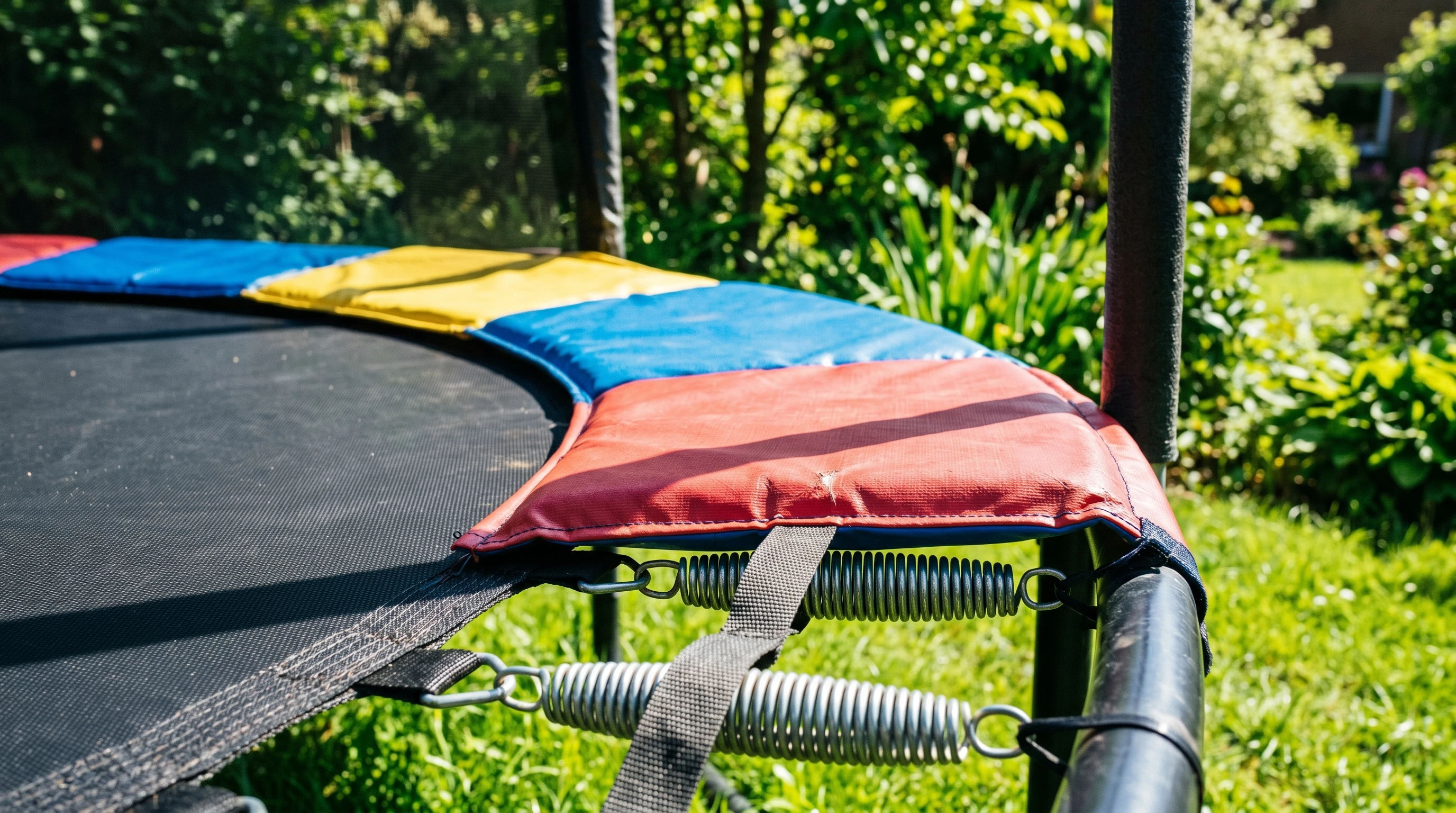
Trampoline spring covers, sometimes called trampoline pads, are those padded sheets that sit on top of the springs around your trampoline frame. Their job is simple but super important: protect jumpers from accidentally landing on the metal springs and to keep rain, sun, and dirt from breaking down those parts over time. Traditional covers fade or crack from constant sun exposure, but UV resistant models are specially designed to handle harsh rays and resist weather damage for much longer.
These covers are made with materials like PVC or PE vinyl that have additives mixed in during manufacturing. That UV-blocking layer helps slow down fading, keeps the surface looking colorful, and prevents the vinyl or fabric from getting brittle or splitting open too soon.
How UV Resistant Covers Protect Your Trampoline Year-Round
Trampolines live outdoors, so spring covers face weather from every angle. Sun, wind, rain, snow, and even freezing temperatures can all cause the pad to wear out. Here’s how the UV resistant covers help:
- UV Protection: The sun is especially tough on vinyl and plastic. UV resistant covers can outlast regular ones by two or three times when it comes to fading and cracking.
- Moisture Resistance: These pads repel water instead of absorbing it, helping stop mold and mildew from taking hold underneath the cover.
- Year-Round Durability: Designed to stay flexible even in freezing temperatures, so you don’t end up with a pad that splits apart after the first cold snap.
- Debris Defense: Keeps sticks, sand, and leaves from falling into the springs, so jumping stays smooth and less risky.
For families who leave their trampoline up all year or just want it to look fresh every spring, this kind of toughness is pretty handy. UV resistant covers really give your setup a boost in longevity and appearance.

Choosing the Right Spring Cover: What to Look For
Not all covers are built the same, and picking the right one can save you money and hassle. When I shop for trampoline pads, here’s what I check out:
- Material Thickness: Thicker covers (around 14mm or more) offer better cushioning if someone lands off-center. They also last longer since the padding isn’t as quick to flatten or rip. Thinner covers simply don’t hold up for as many seasons.
- Stitching Quality: Double or reinforced stitching holds everything together. Single stitched pads are much more likely to split at the seams, especially after a summer in direct sun. Durable stitches help the cover keep its shape and function longer.
- Secure Attachment: Elastic bands or strong ties help the cover stay put, even on breezy days or after lots of jumping. This is important if your region gets sudden wind gusts or heavy storms.
- Size Match: Make sure the pad fits your trampoline’s size and shape—round, rectangular, or oval. Most decent covers list compatible sizes in their description, and measuring your trampoline is worth the two minutes it takes. A well-fitted pad gives the best protection and stays in place.
Some covers come with warranties, which is always a good sign the brand trusts their product to hold up outdoors. It also gives buyers peace of mind if something isn’t right after the first setup or season.
Setting Up and Maintaining Your Trampoline Cover
Installation is usually quick. Most pads just slip over the springs and use ties, straps, or elastic to secure them. Here’s how I make sure mine lasts as long as possible:
- Clean Before Covering: Wipe down the trampoline frame and springs to get rid of mud or grit. That grit can chew through cover material over time. You might even find the pad lasts an extra year if you start with a spotless surface.
- Check for Sharp Spots: Run your hands along the springs for burrs or sharp edges that might poke through and patch up any rough spots with electrical tape.
- Position Evenly: Line the pad up so it covers both the springs and the outer edge of the jumping mat. A pad that’s offcenter exposes springs and wears out much faster. Taking a few extra seconds here pays off.
- Secure Properly: Tighten all straps or ties. I do a quick check every month just to make sure the pad hasn’t shifted after wild weather or heavy use.
Every couple of months, I also give the cover a soapy wipe with warm water to remove pollen, leaves, or bird mess. Dry it off before jumping back on, since dampness can make it slippery and cause the material to stretch out too soon. Keeping it clean helps the cover look next-level cool and last longer.
Common Challenges and How To Avoid Them
Even the toughest covers can hit rough patches. Here are a few issues I’ve run into and how to work around them:
- Fading Over Time: While UV resistant pads hold color much longer, after a few years even the best ones might look faded. Placing your trampoline in partial shade or using a separate tarp during the hottest months can help extend that bright look.
- Tears From Pets or Wildlife: Dogs like to dig, and squirrels can chew through vinyl. Try to keep pets off the trampoline and check for nibble marks if you have critters in the yard. A quick walk around the yard can reveal signs of curious animals before they do lasting damage.
- Poor Fit: If the cover’s too loose, wind can lift or flip it. If it’s way too tight, it might not cover every spring. Always go by the actual measurement of your trampoline for the best fit.
- Mold or Mildew: Even water resistant covers can collect moisture underneath. Lifting the pad to air dry after rain can help stop musty smells or green patches from forming.
No trampoline cover is totally invincible, but quick fixes and regular checks really help get more seasons out of your investment. Being proactive keeps things running smoothly and avoids expensive surprises.
Bonus Features Worth Considering
- Padded Skirt: Some highend covers come with an extra flap that hangs down the side, covering both the springs and frame. It adds a little extra protection from bumps and gives a cleaner look while reducing scratches on the frame.
- Drainage Holes: Small holes let rain drain off instead of pooling on the surface. This is super useful if you live in a rainy area and don’t want to deal with standing water.
- Color Choices: You’re not stuck with one basic color. Many brands now offer green, blue, camo, and even bright pink to match your backyard vibe, making the trampoline more eye-catching and fun for kids.
Some premium covers even offer reflective strips for extra evening safety, or reinforced corners for longer lasting performance during wild weather. Little extras like these make a difference, especially if your trampoline gets lots of use or is a fixture in the backyard for family and friends.
Frequently Asked Questions
Q: How long do UV resistant trampoline covers usually last?
Well-made ones typically last 2-5 years depending on your climate and how much direct sun the trampoline gets. Lower quality covers start to fade or split much sooner, especially in areas with intense summer sunlight or snow in winter.
Q: Are all trampoline pads UV resistant?
No, many budget pads are just basic vinyl without any UV protection. Always check the product details before buying, especially if you want it to hold up in full sun.
Q: Can I use a regular tarp as a cover?
Regular tarps don’t provide the same padding and can actually trap water and promote mildew. Trampoline specific covers offer shock absorption and a snug fit to protect springs and users. Plus, they simply look nicer and function better.
Q: How do I know when it’s time to replace my spring cover?
Look for deep cracks, thin patches, or exposed springs. If you notice the foam inside getting lumpy or waterlogged, it’s probably time for a new one to keep your trampoline safe and comfortable.
Are UV Resistant Covers Really Worth It?
After owning a few cheap coverings that gave out after one season, I switched to a quality UV resistant cover and it made a clear difference. The surface stayed smooth and colorful long after summer ended, and the padding kept its bounce even during winter freezes. For families who want their trampoline to last more than a year or two, this upgrade pays for itself and saves you some DIY headaches down the road.
If you’re thinking about upgrading, I recommend reading a few real user reviews, measuring your trampoline twice, and focusing on covers with solid warranties or return policies. There are lots of options both online and in local stores. Careful research helps buyers make informed decisions when shopping for UV resistant trampoline spring covers. With the right choice, your family’s backyard fun goes uninterrupted for many seasons to come.