
Finding the right fitness trampoline for your home gym setup can pump up your workout routine with a mix of fun and practical benefits. From boosting cardio endurance to adding a spark to low-impact routines, a quality mini trampoline, also called a rebounder, has something to offer every fitness level. With so many styles and features on the market, figuring out what fits your needs best can feel overwhelming. I’m here to walk you through what to look for and how to match a trampoline to your lifestyle, goals, and space.
Why a Fitness Trampoline is Worth Considering for Home Workouts
Adding a trampoline to your home workout area isn’t just about jumping for fun (though, let’s be real, that part’s pretty great too). Rebounder workouts can bump up your heart rate, strengthen your legs and core, and take some load off your joints thanks to the springy mat. These trampolines became popular in the late 20th century, but recently they’ve made a comeback as folks look for more creative ways to move at home. Research even backs up some big perks. Studies from the American Council on Exercise show trampolines can improve balance and cardiovascular fitness in relatively short bursts of use.
The rebounder market now stretches from basic models to advanced designs with fancy resistance bands or adjustable bars. Whether you’re a beginner or already pretty active, there’s a trampoline setup ready to help you sweat smarter, not harder. If you want something fun, engaging, and beneficial for the whole family, a fitness trampoline is a good investment for your home gym space.
First Steps: What to Know About Fitness Trampolines
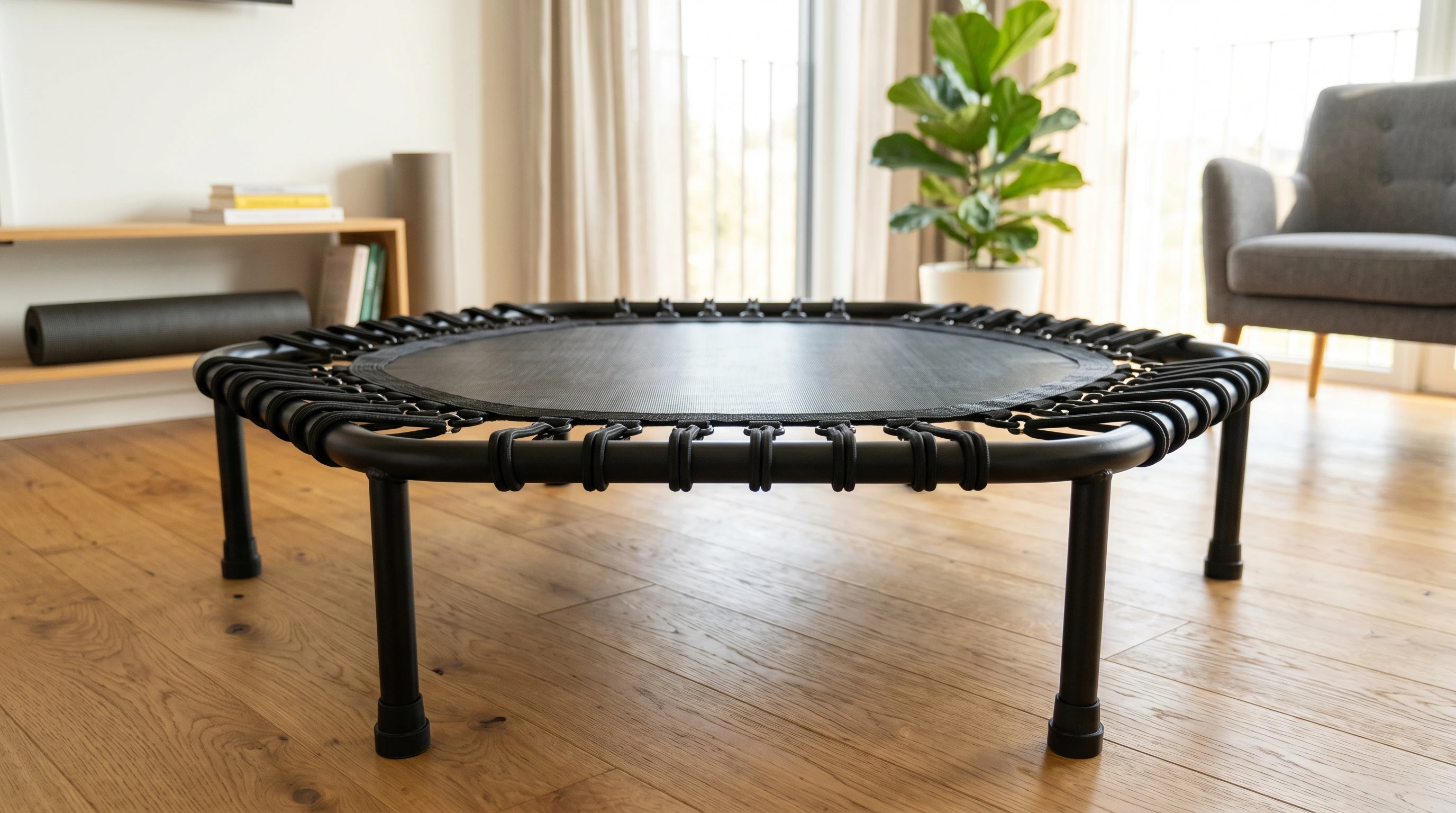
Trampolines designed for fitness are much smaller than backyard play trampolines, usually ranging from 36 to 48 inches across. They’re made for repeated, low-flying bounces rather than big aerial tricks. If you’re new to trampoline workouts, these basics help you understand what you’re getting into:
- Bounce Mat: The part you actually jump on. Look for a surface with a little grip, made from durable polypropylene or a similar material.
- Frame & Legs: Sturdy steel frames and legs prevent wobbling and keep you feeling secure mid-jump.
- Suspension System: Trampolines use metal springs or stretchy bands. Springs often give a firmer, more traditional bounce, while bands offer a quieter and softer feel.
- Weight Capacity: Every trampoline lists a max user weight. Check this before buying so the trampoline keeps its bounce and stays safe.
Rebounder exercises are easy to tailor to different fitness levels, so whether you’re looking for high-intensity intervals or gentle recovery routines, a fitness trampoline can flex to fit your plans. Even beginners can quickly get comfortable because of the forgiving nature of rebounding workouts.
Quick Guide: Choosing a Fitness Trampoline for Home Use
Making the best choice comes down to a mix of practical factors and personal preferences. Here’s how I break down the decision:
- Size: Measure your workout space first. A 40-inch model usually fits most rooms, but some want a wider jumping area for more movement.
- Suspension Type: Pick between springbased and bandbased models depending on your bounce style and how quiet you need your workouts to be.
- Foldability: If space is tight, go for a trampoline that folds or has removable legs for easy storage.
- Support Bar: Some models have a handlebar for balance, which works well for seniors, beginners, or anyone rehabbing an injury.
- Assembly: Some trampolines are practically ready out of the box, while others need a bit of setup. Check the product page or reviews to see what to expect.
Don’t forget to check the available room for moving around the trampoline safely, especially if you plan to incorporate dynamic exercises or household members are using it too.
What Matters Before Bringing One Home
The flashy features can distract from some important basics that will impact your actual experience. Here’s what I always check:
- Noise Level: Springs can creak, that’s just what they do, while bands run much quieter. Consider your downstairs neighbors if you’re in an apartment!
- Mat Durability: Mats with reinforced stitching are less likely to stretch or tear over time.
- Warranty: A good warranty hints the company stands by its gear. It’s good to have coverage in case anything wears down early.
- Adjustability: Some rebounders let you tweak the resistance for firmer or softer bounces, which can be handy for more advanced routines.
Size and Storage
Not all homes have dedicated gym space. Some trampolines come with foldup legs or designs that let you stash them under a bed or sofa. A larger model can feel more stable if you’re doing highintensity moves, though, so I try to balance footprint with how much room I’ll actually use during workouts. Storage is made easier when you choose a model that matches your available space and living situation.
Springs vs. Bands
Bounce feel is a big deal for comfort and noise. Metal springs deliver more boost per jump and last longer for heavy use. Bands, on the other hand, are mellow, less jarring on the knees, and nearly silent (especially valuable if you’re squeezing in late-night workouts). Some brands market “bungee rebounders,” which use thick elastic cords for the gentlest bounce. I always suggest checking user reviews for bounce feedback before finalizing your pick.
Weight and Height Limit
A little fine print worth reading: not all trampolines have the same weight limit, and some may work better for shorter or taller folks. A higher weight rating usually signals better construction and peace of mind during tough workouts. Taller jumpers should also confirm the trampoline’s surface size to ensure enough room for comfortable bouncing.
Support Features
Many models add handrails, a super useful feature for those wanting added balance or stability. Adjustable handlebars grow with your confidence and workout intensity. For most folks, starting with the bar is reassuring and helps perfect form before progressing to unsupported jumps or more dynamic moves. Even experienced users can benefit from handrails during challenging routines or new tricks.
Paying attention to these simple features prevents regret later and helps you use your trampoline with confidence and comfort every time you work out. Good research up front makes a big difference in how much you enjoy and stick with your new rebounder, so don’t be shy about reading lots of reviews or asking questions before buying.
Cool Extras and Pro-Level Features
Some fitness trampolines load up on bonus features to make workouts even more convenient or challenging. Here are add-ons I find really handy:
Fitness DVD or Streaming Classes: Brands sometimes include video routines or app access to keep you motivated and show proper form.
Resistance Bands: These hook onto the frame for upper body moves, tossing in a bonus strength workout.
Adjustable Tension: A few advanced models let you switch up cord tension for firmer or springier reactions.
Padded Cover or Skirt: Covers keep little toes or pets safe from pinch points and give the trampoline a more finished look.
Most beginners don’t need every feature right away. Start simple and see what you use most, many extras can be added later as your routine grows. As you get comfortable, you can track down extra accessories or new workout programs that make your workout even more interesting. Some models even offer Bluetooth speakers or performance tracking to keep you pumped and focused.
Fitness Trampoline Advantages: Real-World Uses
Rebounders aren’t just for bouncing around, they play a role in all sorts of health routines. Here are a few practical ways I’ve used fitness trampolines, or seen others use them at home:
- Low-Impact Cardio: Easy on the joints, even for people with knee or ankle concerns.
- Balance and Core Training: The natural wobble of the mat works balance and stability muscles constantly, providing great benefits for coordination and overall strength.
- Rehab Workouts: Many physical therapists recommend gentle rebounding for injured athletes as a return to movement exercise.
- HIIT and Circuit Training: Quick, intense jumping intervals build cardio and agility fast.
By fitting into short workout slots or being a warm-up tool before longer lifts, trampolines keep exercise interesting and approachable, especially if traditional routines feel stale. Even kids may enjoy supervised bouncing, making it a useful addition to a family health routine. Some people find that jumping on a trampoline is also a good way to relieve stress and add some unpredictability to their regular fitness programs, making the experience more enjoyable overall.
Frequently Asked Questions
These are some questions that come up a lot for folks brand new to home rebounders:
Question: How do I keep my trampoline clean?
Answer: Wipe down the mat with a damp rag and mild soap every week. Dust builds up quickly, especially on frames and underneath, so a quick vacuum is worth doing now and then too. For longer trampoline life, check for loose screws or worn-out bungee cords during cleaning sessions.
Question: Are fitness trampolines safe for seniors?
Answer: Many seniors use rebounders for gentle balance exercises. Pick a model with a handlebar, and always start with short, controlled sessions until you feel steady. Those with any medical issues should check in with a healthcare provider before getting into new routines.
Question: How often should I replace my trampoline’s bands or springs?
Answer: Bands usually last one to three years with regular use. Springs may last longer. Check tension every few months and look for signs of fraying, cracks, or noisy stretching. Keeping an eye out for wear and tear lets you avoid hassles and keep things safe.
Final Take: Picking Your Perfect Home Rebounder
Choosing the right trampoline comes down to the right fit for your space, exercise style, and personal comfort. Matching size, noise level, and bounce type to your home and workouts makes all the difference for long-term motivation. Start with solid basics and simple features, and enjoy the fun way a home trampoline can bring energy and versatility to your daily workout routine. With a little research and some time spent bouncing, you’ll quickly get a sense of which trampoline is best for you and your goals.