Getting creative with fitness sometimes means shaking up old routines and exploring new ways to move. That’s where the combo of yoga and trampolines comes in handy. It’s not something you see every day at the gym, but blending these two techniques can bring some surprising benefits, especially if you’re someone who likes fitness to feel fun instead of a chore. Here’s my take on how yoga and trampoline workouts work together and what you can gain from giving them a shot.
What Makes Yoga and Trampoline Workouts a Unique Duo?
Both yoga and rebounding (that’s the fitness term for bouncing on a minitrampoline) have loyal followings, but they tackle movement from different angles. Yoga works on balance, flexibility, breathing, and mindfulness, while trampoline exercises are high-energy with a dose of cardio and coordination training. Combining them isn’t just about double the sweat; it’s a way to wake up your muscles and mind in all new ways.
Yoga was first developed over 5,000 years ago, sticking around for a reason: it’s good for body and mind. Trampolines, on the other hand, started as circus equipment and then made their way into fitness circles, with NASA even researching the benefits for astronauts’ bone and muscle health. When you mash up the mindful stretching of yoga with the playful bounce of a trampoline, you get a fitness routine that covers a ton of ground, from muscle tone to heart health and mood boosts. Plus, combining these two makes workouts fresh and far from boring, keeping your motivation high.
How to Start with Yoga and Trampoline Fitness
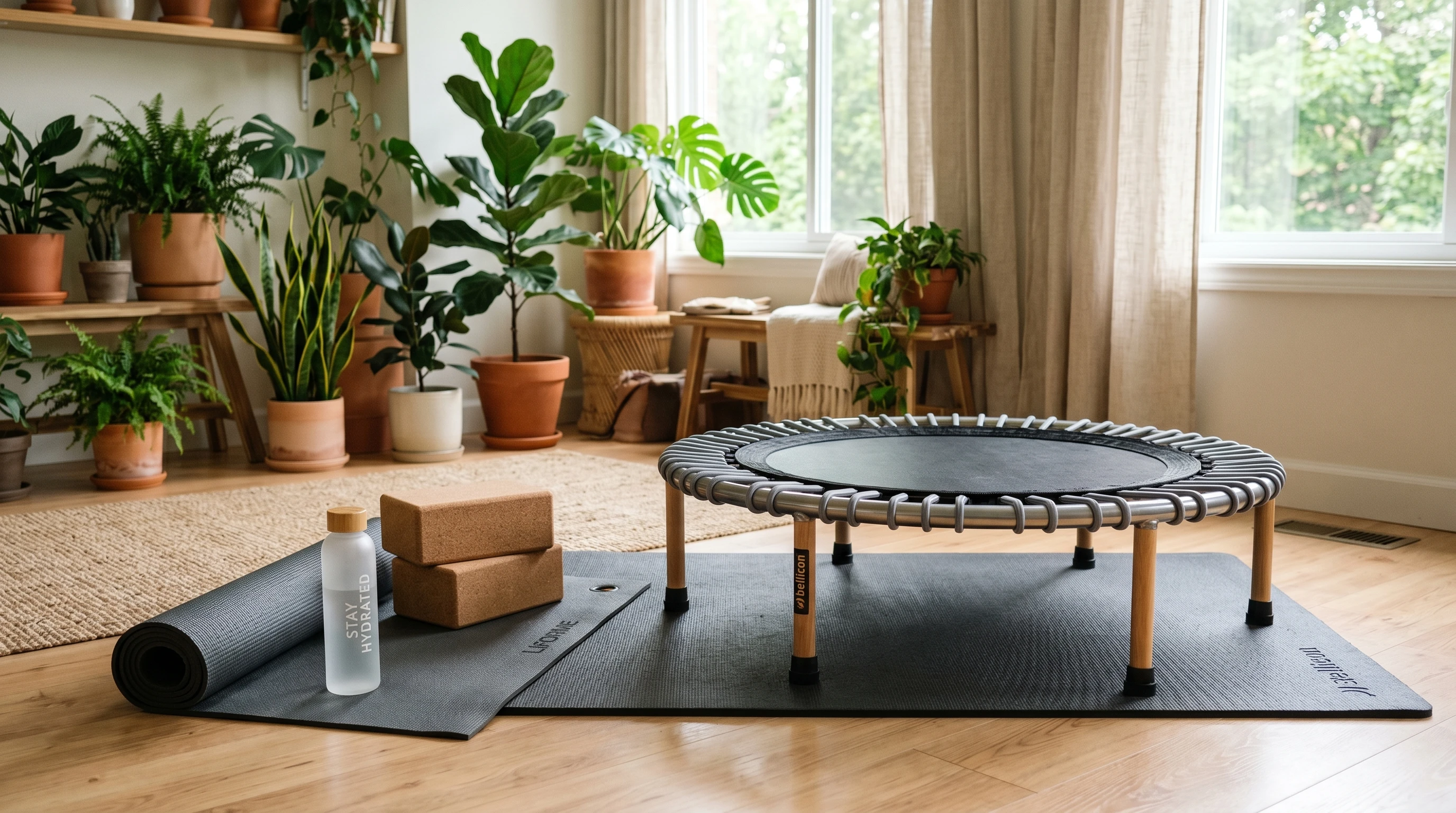
If you’re new to either yoga or trampolines, it helps to pick just one new thing at a time. A basic yoga mat and a solid minitrampoline are all you need to get started. Look for a rebounder (the mini kind) with a firm surface and a good grip so you don’t slide around while balancing. The setup is simple and doesn’t require much space, making it perfect even for small apartments or home gyms.
- Balance: The springy surface of a trampoline challenges your core stability more than a regular floor. Downward dog and tree pose feel totally different when you’re bouncing gently underneath.
- Coordination: Shifting from a bounce into a controlled stretch takes focus and control, which wakes up your mind as much as your body.
- Low Impact: The trampoline takes the hard edge off jumps and landings, which makes it easier on joints (super useful if you want a workout that’s friendly to your knees and ankles).
A Simple Routine for Beginners
You don’t have to get fancy to mix yoga and trampoline moves together. Here’s a basic flow I found super useful for getting started:
- Warm-Up Bounce: Light, low jumps while breathing deeply for one or two minutes wakes up your heart rate without pushing too hard.
- Standing Poses: Try tree pose or warrior pose on the trampoline. It feels wobbly, but that’s what makes your core work double time.
- Downward Dog Bounce: Start in a stationary downward dog, then gently lift your heels as the trampoline gives under your hands and feet. There’s no need to bounce hard; just sway with your breath.
- Seated Poses: Sit on the trampoline crosslegged, then flow into seated forward bend. The slight bounce under you lets you melt deeper into the stretch.
- Cooldown: Lie back, close your eyes, and feel the gentle movement under your body while your breathing calms down.
This routine helps you get a feel for how yoga postures change on an unstable surface, and how trampoline energy adds a playful twist to calm stretches. You can always build on this basic set as you gain confidence.
Tips You Should Probably Know Before Trying Yoga on a Trampoline
There are a few things that make this workout a bit different from regular yoga or straight-up bouncing. Knowing these ahead of time makes the experience more enjoyable and a lot safer.
- Pick the Right Trampoline: Go for a quality rebounder designed for fitness, not a kid’s backyard model. The surface should be firm but flexible, and a stability bar can help with tougher poses.
- Start Slow: Everything feels different on a trampoline. Try poses you already know well before inventing new ones.
- Safety First: Clear the area around your trampoline from nearby tables or chairs and wear grippy socks or bare feet to avoid slipping.
- Bounce Control: Small, slow movements go further than big jumps when paired with yoga. Controlled bounces keep you steady and prevent falls.
Bounce and Balance
Adding balance work to a moving surface is a totally different experience. Simple yoga poses start to feel like a whole new challenge as you use every stabilizer muscle to stay upright. This kind of training helps with balance outside the gym too. It’s pretty handy for hiking, sports, or just feeling more steady on your feet in daily activities or even while walking on uneven ground.
Mindfulness in Motion
It’s easy to zone out on stationary yoga mats, but when the floor is bouncing, your mind snaps to the present. Focusing on breathing and movement together amps up the mindfulness side, which has been shown to help with stress and emotional stability (source). Moving meditation like this can carry over to your day-to-day routines and make you more aware of your body, breath, and mental state.
Low-Impact Cardio
One cool thing about trampolines is how they let you crank up the cardio with way less impact than jogging or HIIT. If your joints bother you or you’re recovering from an injury, this is a way to move without pounding the pavement. It’s also a fun break from sitting at a desk all day or doing repetitive exercise routines, and its low strain can aid recovery while keeping your heart healthy.
Once you get the basics down, yoga on the trampoline is a smart way to make flexibility and coordination training more dynamic, and bring a sense of fun back to your fitness plan. If you stick with it, you may notice an improvement in your reaction speed, overall mobility, and even stress levels.
Pro Tips and Tweaks for Next-Level Workouts
After you’re comfortable switching between basic bounces and classic poses, here are some ways to take it up a notch without getting bored:
Combine Flows: Link three or four poses together with small, controlled bouncing in between. For example, go from mountain pose into chair pose on the trampoline, hold, then bounce gently into a forward fold, adding a bit of variation each session.
Add Light Weights: If you want to bring in extra difficulty, try holding 1-2 pound weights during standing poses or arm movements. Just make sure your form stays solid; no flailing or wild movements here.
Interval Routines: Mix one minute of bounces with thirty seconds of yoga holds for a circuit that trains endurance and flexibility all in one. You can time yourself or follow along with a video for structure and motivation.
Guided Breathing: Use slow, deep breaths during transitions and bounces to tie your mind and body together. This makes the workout feel more like moving meditation, promoting calm thoughts and controlled energy.
Trying these tweaks keeps you challenged and makes the workout fresh every time. Plus, switching up routines can help with sticking to regular fitness habits; things don’t get stale when you’re always exploring new territory. Personalizing your workout is the key to long-term excitement and improvement.
Best Gear and Useful Extras
Good gear can make a difference in how much you enjoy trampoline and yoga sessions. I recommend starting with:
- Mini Trampoline (Rebounder): Something rated for your weight, sturdy, with a nonslip surface. A balance bar is worthwhile for newcomers or trickier yoga moves.
- Yoga Blocks: Using blocks on the trampoline makes some poses more comfortable, especially when stretching out tight muscles or when you’re focusing on new postures and flexibility goals.
- NonSlip Mat: Placing a yoga mat over the rebounder can help with grip and comfort, although you’ll need to reposition it as you bounce to keep everything in place.
- Supportive Shoes or Bare Feet: Most prefer barefoot for better grip, but grippy socks work if you’re not into going barefoot. Stability is crucial, especially early on.
Having the right setup means you’ll focus on movement, not fiddling with gear or worrying about safety. It also helps you progress faster and have more enjoyable sessions, especially if you try to keep a consistent routine.
- Flexibility: Using the trampoline’s gentle give helps deepen your stretches. Just go slow so you don’t bounce too far; patience pays off.
- Strength: Holding a warrior pose while steadying yourself midbounce builds functional muscle, especially in the core and stabilizers.
- Cardio: The constant small movements get your heart rate up. It’s great for a light sweat without feeling exhausted.
- Stress Relief: Both yoga and trampoline exercise are linked to mood boosts and better sleep (source). Consistent routines can help reduce tension and promote a positive mindset throughout your day.
Frequently Asked Questions
Here are some popular questions I’ve answered for friends or readers thinking about mixing up their exercise routines with yoga and trampoline workouts:
Question: Is a trampoline safe for yoga if I’m a total beginner?
Answer: Yes, just start with simple, familiar poses and keep your movements slow until you learn how your balance feels on the trampoline. Give yourself time to get used to the unique feel and don’t hesitate to step off and reset if things feel off balance.
Question: What’s the best type of rebounder for this routine?
Answer: Look for one with a sturdy build and a nonslip surface. Fitnessfocused rebounders are made for this kind of movement and last longer than toy models. Consider handles or bars for added security as you build confidence.
Question: How often should I do this kind of workout?
Answer: A couple of times a week is a solid plan. Listen to your body and mix it in with other training for variety. Mixing trampoline yoga with walking, resistance training, or even simple stretching gives you a well-rounded program.
Trying Out the Yoga and Trampoline Mix
Exploring fitness routines that blend yoga with trampolining adds something new to your weekly workout, both for your body and your mood. If you’re looking for a routine that builds strength, flexibility, balance, and cardio—all while keeping things playful—this technique is worth checking out. You don’t need any prior experience with either practice to get started, and the gear requirements are simple. Just go slow, focus on control instead of big moves, and enjoy seeing exercise from a whole new angle. Chances are good you’ll find yourself actually looking forward to workout days; no boredom, just bounce and breath.